
Thalass-
Written by: Jayden Zhang
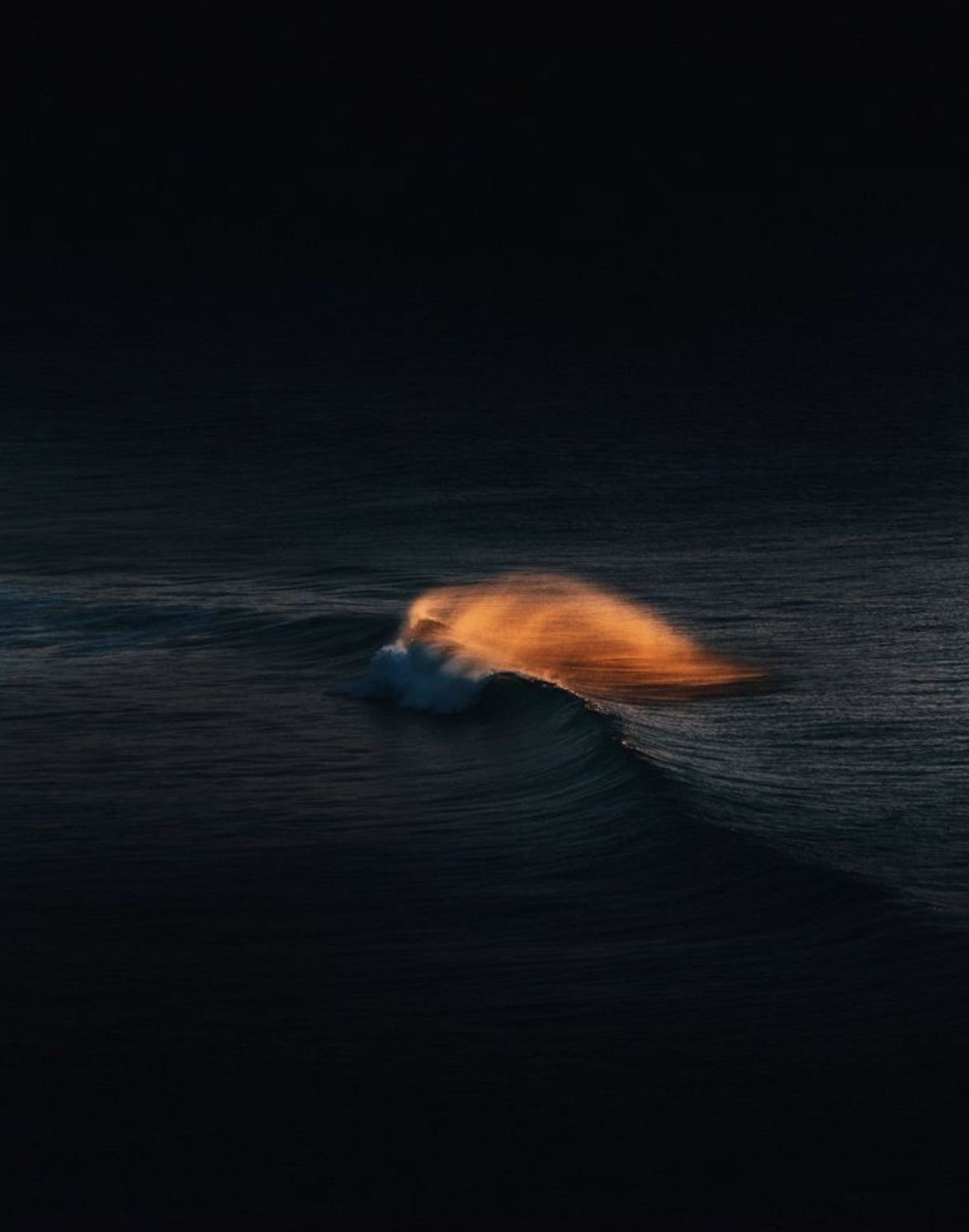
maya 47000/ pinterest
I think San Diego has a special connection with the sea.
Even though Californian culture as a whole is continually built around wildlife and nature, it is strongly linked with the Ocean. Surfing, seafood, sand, and seaweed, all of these are unattainable without the beaches and seas that dot the West Coast. The ocean also acts as an essential part of the ecosystem, continually cycling oxygen through large swaths of Phytoplankton and Algae. In this way, the Ocean serves as a lifeline, a continually filled well, brimming with resources that can be exploited for the gain of man.
Yet still, much of what we take from the Ocean is never returned. Islands of garbage drift forgotten among the high waters. Chemical runoff contaminates and destroys wildlife. Overfishing decimates local populations. For many, this problem simply doesn’t seem a large issue. Why should some animals dying affect my daily life? That is the flaw of a competitive worldview. When an issue does not directly affect one's own life, there is no immediate reason to fix it. And thus, the ocean slowly withers away, victim to the very beings who plundered it for supplies and sustenance. Human evolution has taught the individual persons to survive at all costs, and this mindset comes at the expense of nature.
Past the coast though, the Ocean remains mysterious, an unknown realm inaccessible to the human reach. The fear of deep open bodies of water is called Thalassophobia, and it is relatively common among the general population. It manifests as anxiety, a fear of what terrible dangers may lurk deep beneath the waves. Part of this comes from an evolutionary fear of the unknown. In the deep ocean, nothing can be seen for miles except blue and black. Only the beams of light that break through the crashing waves may be seen, and deeper into the depths, those disappear as well. The most terrifying thing about the ocean, though, is its unyielding power. It gnaws at your breath, it pushes upon your soul, and rust blights even the strongest of metal. The vast expanse holds no regard nor restraint. There is no ground, there is no safety, and there is no knowing what may be drifting your way.
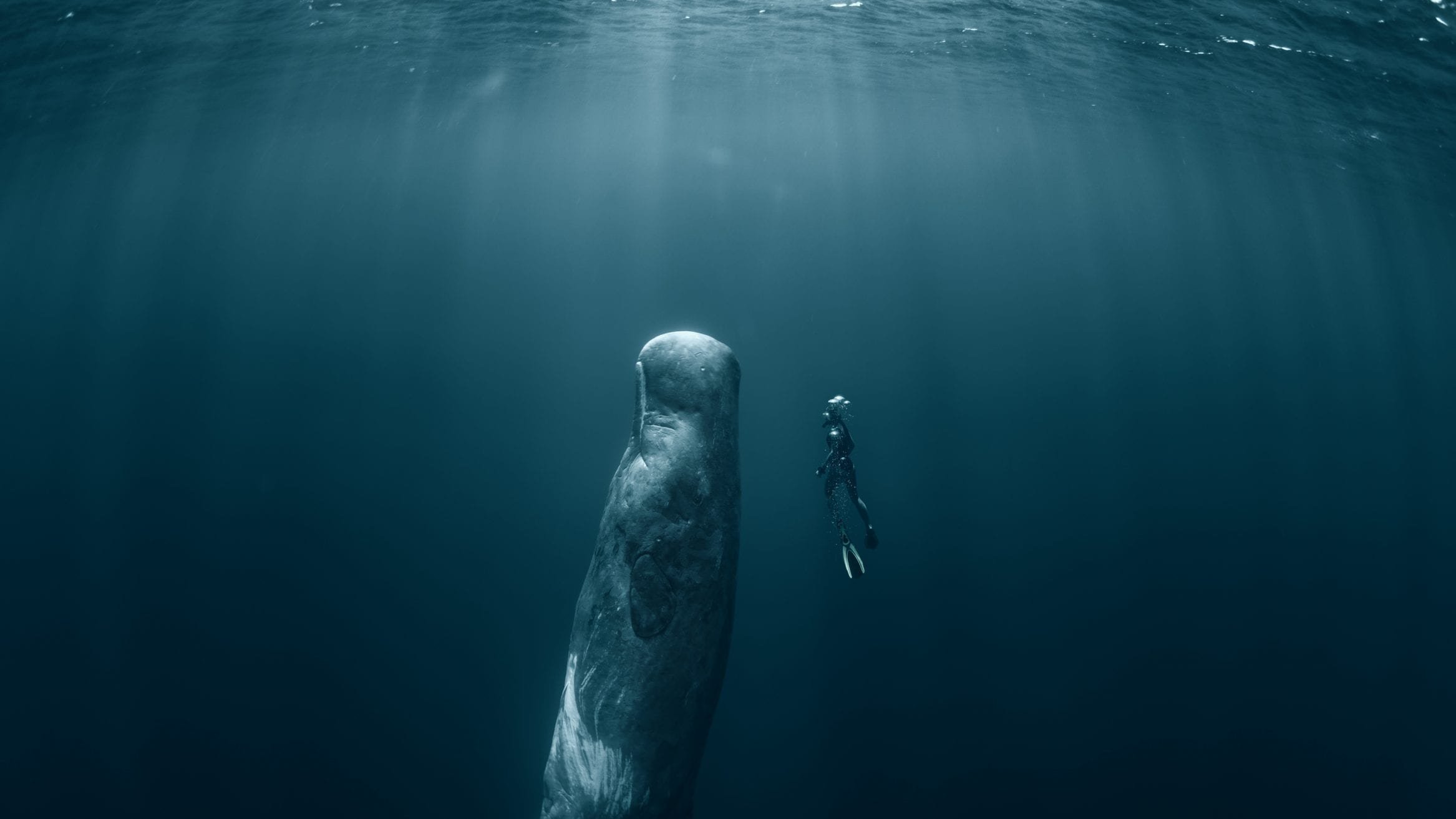
oceanographicmagazine
The creatures that call the Ocean home are far from typical. At the surface, they maintain rather conventional appearances. Fish and mollusks of all sizes swim leisurely among the colorful coral. Even though some have strange appearances (the flounder has two eyes on the same side of its body), it is still quite rare to see something truly bizarre. Deeper though, adaptation and evolution has taken its toll on the creatures. Few can survive in the overwhelming pressure of the abyss, and those that do are twisted far beyond their shallower ancestors. In the Abyssal Zone, four thousand to six thousand meters below sea level, light is far from common, and some animals have developed either bioluminescence or extremely proficient low-light eyesight. It is here that the Anglerfish dwell, as well as the gaping Pelican Eel and the grotesque Faceless Cusk (seriously search up this one it looks so weird). Deeper yet is the Hadal Zone, an area that is only reachable through trenches that pierce the earthen ocean floor. In here, six thousand to eleven thousand meters deep, there isn’t much of anything. Nutrients are found only through runoff from higher levels or occasional drifting sediments. As such, many creatures that survive are scavengers. The most prevalent species are certain types of snailfish, though some larger creatures such as the Bigfin Squid can still be found.
A common saying is that "We know more about the surface of the Moon than we do about the bottom of the ocean", and that’s for a reason. When someone gazes into space, they can see for millions of light years away, in the deep sea, they can see for barely 80 meters. Yet still, this is no reason to neglect the Ocean. The marine ecosystems and environments are a key part of our survival, and we must protect it even if we do not understand it completely.
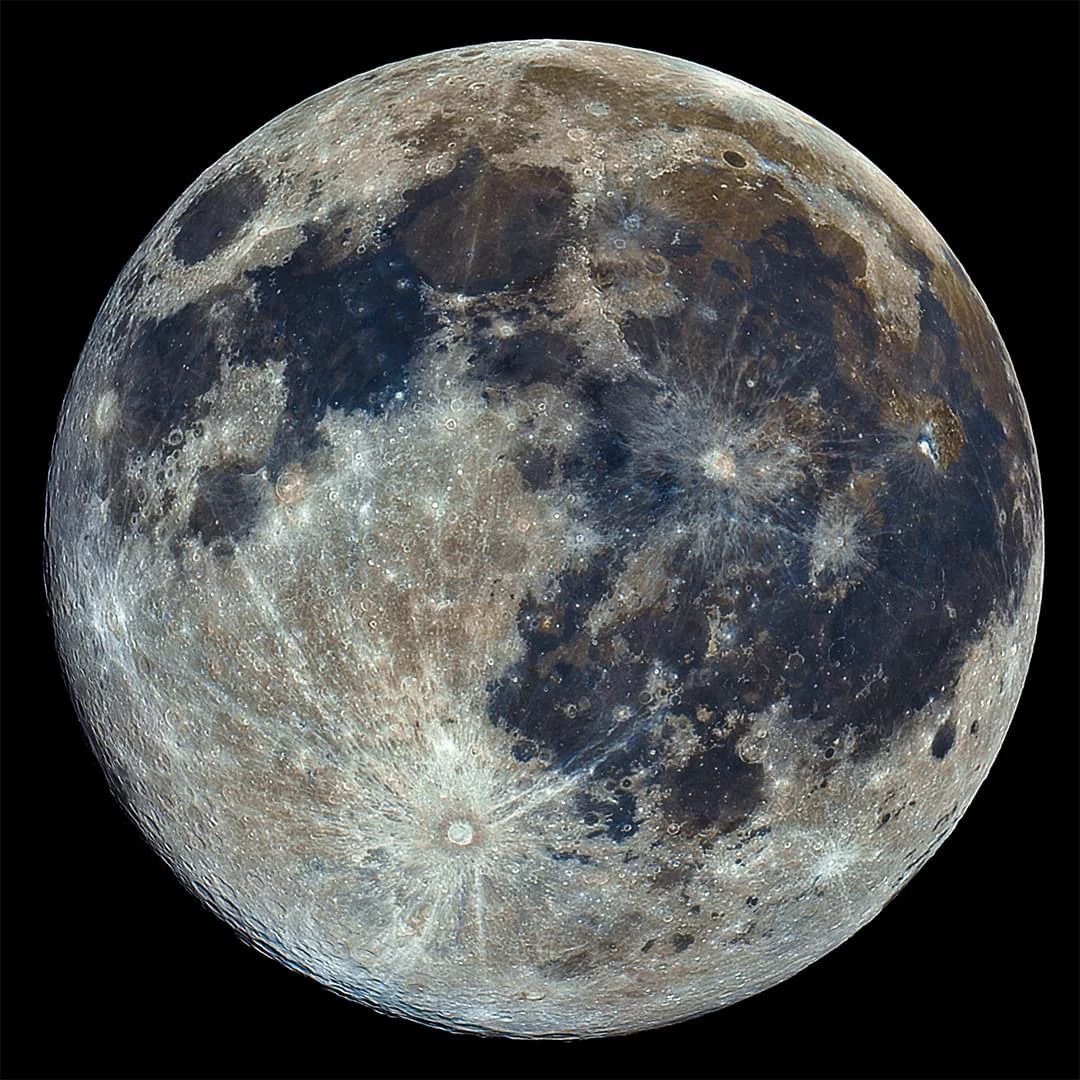
Vic Mesa / Pinterest
If this is not enough of an incentive for you to protect our oceans, remember that there’s a higher chance of finding alien-like creatures in the ocean.
Links:
Music to listen to: https://open.spotify.com/album/6o6VAIetIFOsaOa0qt7w9u?si=kr3dirlrQQSvOFlF6PyBWg
