
New discoveries on brain’s resilience to Alzheimer’s Disease progression
Written By: Alaina Yan
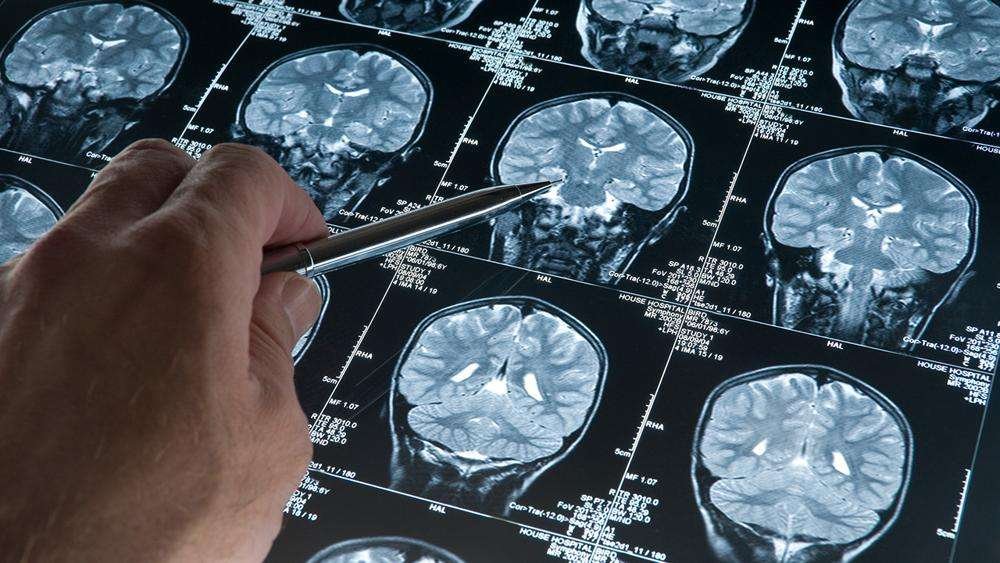
Image from Alzheimer’s San Diego
Alzheimer’s disease (AD) is a progressive neurodegenerative disease that degrades memory skills, cognition, and executive functioning. Caused by the buildup of tau tangles and amyloid-B plaque, AD impairs cell communication, resulting in cell death.
As the 7th leading cause of death in the US, people typically live for 3 to 20 years after diagnosis. With no cure, current treatments typically involve medications to manage symptoms and slow progression.
Recently, there is research on the brain’s reaction to AD as there is evidence of abnormal buildup in brains without the development of dementia. Scientists have linked resistance to dementia development to how effective the brain’s immune system is. Microglia is a key player in AD as it’s the brain immune system’s first line of defense.
When they are in a “resting state,” their long branches survey the brain for pathogens. If there is an injury or threat in their vicinity, their branches shorten and thicken to release inflammatory chemicals in the area. Once the microglia identifies the threat, they will eliminate it through phagocytosing, or “eating it.”
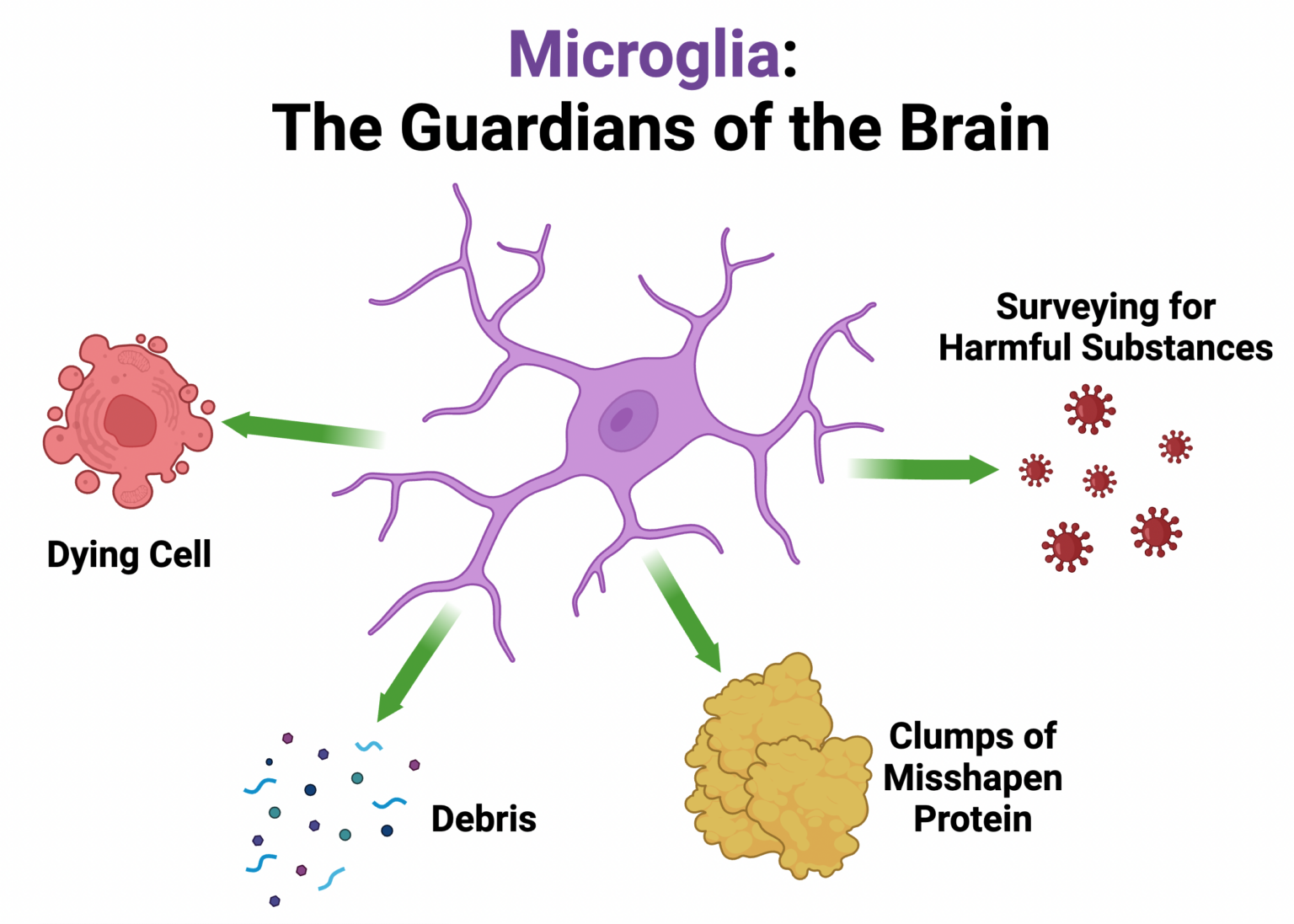
An overview of what Microglia do in the brain. Figure made by Rana Abdelhalim using BioRender
Studying donated tissues, the scientist found that “during the earlier stages of the disease process, microglia entered an inflammatory state linked to amyloid plaques. At a later stage, they moved into a different antigen-presenting state that appeared at the same time as tau pathology.” As a result, they concluded that antigen presentation may be the factor that differentiates those who develop AD and those who do not.
Another finding the scientist discovered was that 80-90 year olds who developed amyloid plaques but not dementia showed the early microglial response but never reached an advanced immune state linked to AD disease progression. Thus, AD development “may also depend on how the brain controls, redirects, or adapts its response to that pathology.”
Future research may be focused on preserving beneficial early microglial stages and timing treatments before the brain “reaches the point where inflammatory activity becomes connected to tau pathology.”
