
Chronic Diseases 2: Cardiovascular Disease
Written By: Alaina Yan

Image from Today’s RDH
What is Cardiovascular Disease?
Cardiovascular disease is an umbrella term for conditions that affect the heart and blood vessels. Common conditions are coronary artery disease (buildup in major blood vessels by plaque buildup), cerebrovascular disease (restricted blood flow), and arrhythmias (irregular heart beat).
Currently, cardiovascular disease is the leading cause of death in the U.S. According to the Cleveland Clinic, “almost half of adults in the U.S. have some form of cardiovascular disease” and “one in three women dies from cardiovascular disease.”
Symptoms of heart issues include chest pain, chest pressure, shortness of breath, and fatigue. A few symptoms of blood vessel blockages are swelling or numbness in the face or limbs.
Risk Factors
Risk for cardiovascular disease increases with age, especially with an unhealthy lifestyle.
Almost all cardiovascular diseases are related to atherosclerosis, or plaque buildup in the arteries. Thus, if a person has high blood pressure or high cholesterol, they are at a higher risk of developing cardiovascular disease.
Eating unhealthy foods, like fast food, can spike “bad cholesterol” (LDL). The excess cholesterol ends up in blood vessels and arteries where it gets trapped and oxidized.
Having diabetes is another risk factor as excess blood sugar and insulin resistance damages blood vessels. As the damage expedites plaque growth, heart disease can be developed.
Cardiovascular disease is also genetic. If your family has cardiovascular diseases, you are at high risk for developing it. As a result, making healthy lifestyle changes and eating healthy is extremely important.
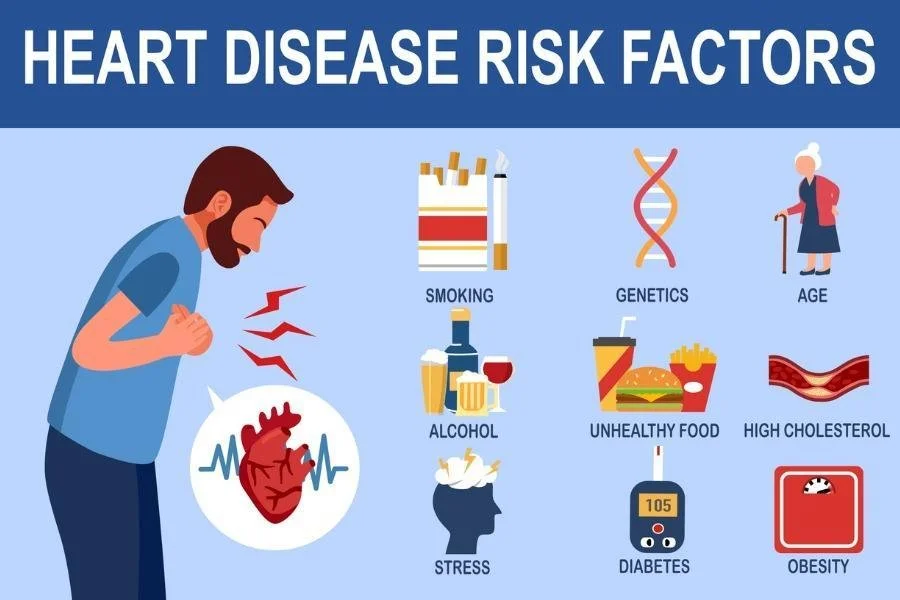
Image from PatientPop
Ways to Prevent
While many cardiovascular diseases are genetic, there are still a few lifestyle changes to decrease severity and risk of cardiovascular disease.
To start, increasing aerobic activity will help lower levels of LDL, bad cholesterol. It also improves blood flow to the brain and throughout the body. Quitting smoking and tobacco are other lifestyle changes that can decrease CD risk.
Alongside lifestyle changes, healthcare providers may prescribe medications to manage cholesterol and glucose levels. When medications and lifestyle changes are not enough, your healthcare provider might suggest procedures or surgeries, like a stent in the heart vessel.
Conclusion
If you believe you are at high risk for cardiovascular disease, the most reliable source of information is with your healthcare provider. Book an appointment as soon as possible to get LDL, cholesterol, and your blood work tested.
Resources for more info:
https://www.heart.org/en/health-topics/consumer-healthcare/what-is-cardiovascular-disease
https://my.clevelandclinic.org/health/diseases/21493-cardiovascular-disease
